Guide & Review
A Journey Through Asia Architectural and Cultural Treasures
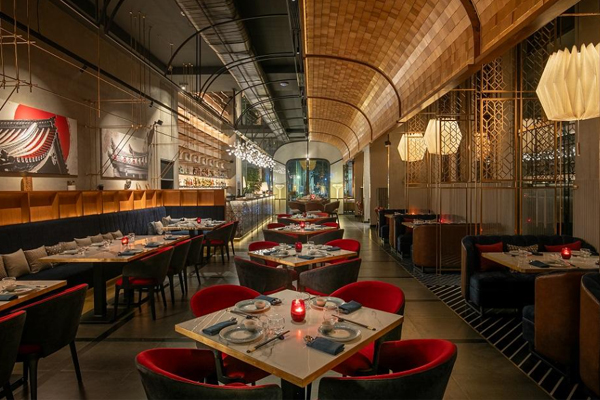
Asia is a continent where history breathes through stone, wood, and living traditions. From ancient temples perched on misty mountains to futuristic skylines glowing with innovation, Asia offers an unmatched blend of architectural brilliance and cultural depth. Every country tells a story shaped by centuries of belief, artistry, trade, conquest, and resilience. Exploring Asia is not just about visiting places; it is about stepping into civilizations that continue to influence the modern world.
This journey through Asia architectural and cultural
treasures reveals how heritage and modernity coexist, creating destinations
that are both timeless and ever-evolving.
The Essence of Asiaâs Architectural Diversity
Asiaâs architecture reflects its immense geographical,
religious, and cultural diversity. Unlike continents shaped by a single
dominant tradition, Asia is a mosaic of styles influenced by Hinduism,
Buddhism, Islam, Confucianism, colonial encounters, and indigenous beliefs.
In South Asia, elaborate carvings and monumental temples
dominate the landscape. East Asia favors harmony, balance, and wooden
structures designed to coexist with nature. Southeast Asia blends spirituality
with tropical aesthetics, while the Middle East showcases geometric precision
and architectural grandeur rooted in Islamic art.
What unites these varied styles is purpose. Asian
architecture is rarely decorative alone; it serves spiritual, communal, and
symbolic roles that connect people to their history and values.
South Asia: Forts, and Timeless Craftsmanship
South Asia is home to some of the worldâs oldest
architectural traditions. Countries like India, Sri Lanka, and Nepal offer
structures that have survived thousands of years, each stone narrating stories
of devotion and empire.
Ancient Hindu temples such as those found in Tamil Nadu and
Odisha are masterpieces of symmetry and storytelling. Every carving represents
gods, myths, and cosmic principles, transforming architecture into sacred
scripture. The towering gopurams and intricately sculpted walls are not merely
impressive they are expressions of spiritual philosophy.
Islamic architecture also left a profound mark on the
region. Grand mosques, domes, and forts built during the Mughal era showcase
refined artistry, calligraphy, and balanced proportions. These structures
symbolize a period when architecture, poetry, and science flourished together.
Beyond monuments, traditional homes, stepwells, and bazaars
reveal everyday cultural life shaped by climate and community needs. Even
modern cities continue to draw inspiration from these ancient forms.
East Asia: Harmony Between Nature and Design
East Asian architecture emphasizes balance, simplicity, and
a deep respect for nature. In countries like China, Japan, and South Korea,
buildings are designed to exist in harmony with their surroundings rather than
dominate them.
Traditional Chinese architecture, with its sweeping roofs
and axial layouts, reflects philosophical ideas of order and hierarchy.
Palaces, temples, and courtyards were carefully aligned to represent cosmic
balance. Colors, materials, and spatial arrangements all carried symbolic
meaning.
Japanâs architectural philosophy centers on minimalism and
impermanence. Wooden temples, sliding doors, and open spaces create a fluid
relationship between interior and exterior environments. Rather than elaborate
ornamentation, Japanese design celebrates craftsmanship, proportion, and the
beauty of simplicity.
Korean hanok houses, with curved roofs and natural
materials, are designed to adapt to seasonal changes. These structures reflect
a cultural emphasis on family, harmony, and sustainable living values that
remain relevant today.
Southeast Asia: Spiritual Landscapes and Living
Traditions
Southeast Asia is a region where architecture and
spirituality are inseparable. Countries such as Thailand, Cambodia, Indonesia,
and Vietnam feature sacred structures that rise dramatically from jungles,
rivers, and urban centers.
Buddhist temples and stupas dominate the skyline in many
countries. Golden spires, layered roofs, and vibrant murals create spaces that
inspire reflection and reverence. These temples are not static monuments; they
are active centers of worship and community life.
One of the regionâs defining characteristics is how ancient
architecture coexists with daily activity. Markets unfold beside centuries-old
walls, monks walk past modern cafés, and festivals breathe life into historic
courtyards.
Traditional villages, stilt houses, and communal halls
demonstrate how architecture adapts to tropical climates while fostering social
bonds. Even contemporary buildings often incorporate traditional motifs,
ensuring cultural continuity.
Central Asia: Silk Road Legacies and Islamic
Art
Central Asiaâs architectural heritage was shaped by its
role as a crossroads of civilizations. Traders, scholars, and empires passed
through this region, leaving behind an extraordinary legacy of mosques,
madrasas, and caravanserais.
The architecture of Central Asia is known for its bold use
of color, intricate tilework, and grand proportions. Blue domes, geometric
patterns, and calligraphic designs reflect the artistic sophistication of
Islamic culture.
These structures were not only religious centers but also
hubs of learning, trade, and diplomacy. They symbolize a time when knowledge
traveled freely across continents, connecting East and West.
Today, restored historic cities offer travelers a glimpse
into a world where architecture served as both function and art, reinforcing
cultural identity across generations.
The Middle East: Geometry, Grandeur, and
Innovation
The Middle East represents one of the most influential
architectural regions in Asia. Islamic architecture here is defined by
precision, symmetry, and spiritual symbolism.
Mosques, palaces, and old city quarters feature arches,
courtyards, domes, and decorative patterns that emphasize unity and infinity.
Every element, from light placement to geometric repetition, carries deeper
meaning rooted in faith and philosophy.
Modern Middle Eastern cities demonstrate how tradition can
inspire innovation. Futuristic skyscrapers often integrate Islamic design
principles, blending cutting-edge engineering with cultural heritage. This
balance between past and future makes the region architecturally unique.
Historic souks, ancient citadels, and modern cultural
centers together illustrate how architecture remains central to social and
economic life.
Cultural Treasures Beyond Buildings
Asiaâs cultural richness extends far beyond physical
structures. Architecture serves as a backdrop for traditions that have been
preserved through music, dance, cuisine, festivals, and rituals.
Cultural practices are often deeply tied to architectural
spaces. Temples host seasonal ceremonies, palaces stage traditional
performances, and public squares become gathering points during festivals.
These living traditions give meaning to historic sites, ensuring they remain
relevant rather than forgotten.
Craftsmanship also plays a vital role. Stone carving,
woodwork, textiles, and metal arts are passed down through generations,
preserving regional identity. These skills are often embedded into architecture
itself, making buildings repositories of cultural knowledge.
The Role of Preservation in a Changing World
As Asia modernizes rapidly, preserving architectural and
cultural treasures has become both a challenge and a responsibility. Urban
expansion, climate change, and tourism pressure threaten historic sites, making
conservation efforts essential.
Many countries are now investing in sustainable tourism and
heritage protection. Restorations focus on authenticity, while community
involvement ensures that preservation benefits local populations.
Travelers also play a role. Responsible
exploration respecting traditions, supporting local artisans, and valuing
heritage helps ensure that Asiaâs treasures endure for future generations.
Why Asiaâs Architectural and Cultural Heritage
Matters
Asiaâs architectural and cultural heritage is not just
about the past, it offers lessons for the future. Concepts of sustainable
design, community living, spiritual balance, and artistic expression remain
relevant in todayâs fast-paced world.
These treasures remind us that progress does not require
forgetting history. Instead, Asia demonstrates how innovation can grow from
tradition, creating societies that honor their roots while embracing change.
For travelers, scholars, and global citizens alike, Asia
provides inspiration, understanding, and a deeper appreciation of humanity shared story.
An Endless Journey of Discovery
A journey through Asia architectural and cultural
treasures is an exploration of human creativity, belief, and resilience. Every
temple, fortress, home, and cityscape reflects centuries of thought, devotion,
and craftsmanship.
Asia invites visitors not just to observe, but to
experience to walk through history, engage with living cultures, and witness
how the past continues to shape the present. No matter how many times one
returns, the continent always offers something new to discover.
In Asia, architecture is more than stone and structure. It is memory, identity, and a bridge between generations an endless journey waiting to be explored.