Guide & Review
Chasing Snow in Asia The Ultimate Winter Travel Guide for 2026
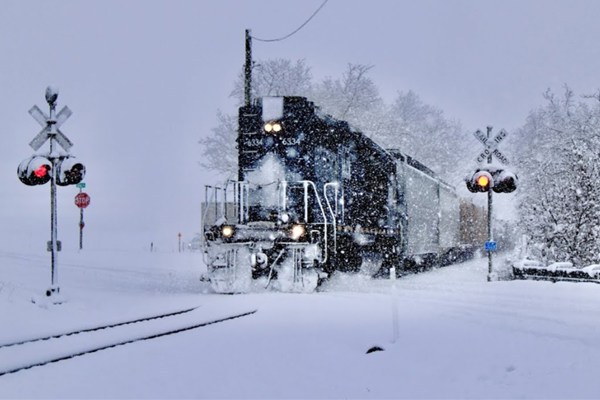
Winter in Asia is a season of contrasts. While tropical beaches remain sun-kissed in the south, vast mountain ranges and northern regions transform into snow-covered wonderlands. From powdery ski slopes and frozen lakes to traditional winter festivals and cozy alpine villages, Asia offers some of the most diverse and rewarding snow experiences in the world.
As 2026 approaches,
winter travel across Asia is becoming more accessible, affordable, and
exciting. Improved infrastructure, visa flexibility, and growing winter tourism
mean travelers can now chase snow without heading to Europe or North America.
This ultimate winter travel guide will help you discover where to go, what to
experience, and how to plan a memorable snow adventure in Asia.
Why Asia Is a
Rising Winter Travel Destination
Asiaâs winter appeal
lies in its variety. You can ski in world-class resorts, trek through snowy
valleys, soak in natural hot springs, or witness centuries-old winter
traditions all within one continent.
Another major advantage
is value. Compared to Western winter destinations, many Asian snow regions
offer excellent experiences at lower costs, from accommodation and food to
transport and ski passes. Cultural depth also sets Asia apart. Snow here is not
just scenery; it shapes lifestyles, festivals, and architecture in ways that
feel authentic and immersive.
Winter in Asia
typically runs from December to March, though some high-altitude regions
experience snowfall as early as November and as late as April.
Japan: Asia Snow
Capital
Japan is widely
regarded as the ultimate snow destination in Asia. Famous for its light,
powdery snow often called Japow the country attracts skiers and
snowboarders from around the world.
Top Winter
Experiences in Japan
Japanâs efficient
transport system makes winter travel smooth, even in heavy snowfall, making it
ideal for both first-time and experienced winter travelers.
South Korea: Snow,
Cities, and Culture
South Korea blends
modern city life with scenic winter escapes. Snowfall is consistent in winter,
especially in the northern and mountainous regions.
Ski resorts near Seoul
make it easy to combine urban exploration with winter sports. Beyond skiing,
winter street food, illuminated palaces, and seasonal festivals add warmth and
color to cold nights.
South Korea is
particularly appealing for short winter trips, thanks to compact distances and
excellent public transport.
China: Vast Winter
Landscapes and Ice Festivals
Chinaâs size means its
winter experiences vary dramatically by region. Northern China becomes a
snow-dominated world, while southern areas remain mild.
One of the most famous
winter attractions is the Harbin Ice and Snow Festival, where entire
cities of ice are built and illuminated. Snowy mountains, frozen rivers, and
historic towns offer a striking contrast to Chinaâs mega-cities.
China winter tourism
infrastructure continues to expand, making 2026 an exciting time to explore its
colder regions.
The Himalayas:
Snowy Adventures in South Asia
For travelers seeking
dramatic scenery and adventure, the Himalayas are unmatched. Stretching across
multiple countries, this mountain range offers everything from peaceful
snowfall retreats to high-energy winter sports.
Notable Himalayan
Winter Destinations
Winter travel here
requires planning, but the reward is raw beauty and a sense of connection with
nature rarely found elsewhere.
Central Asia: The
Silk Road in Snow
Central Asia is an
underrated winter destination, offering wide-open landscapes, frozen deserts,
and snow-covered historic cities.
Countries like
Kazakhstan and Kyrgyzstan are gaining attention for skiing, winter trekking,
and cultural tourism. The regionâs Soviet-era infrastructure combined with
ancient Silk Road heritage creates a unique travel experience.
Snow transforms
mosques, madrasas, and old towns into quiet, atmospheric spaces perfect for
photography and slow travel.
Southeast Asia
Winter Escapes Yes, They Exist
While Southeast Asia is
known for tropical weather, certain highland areas experience cool temperatures
and occasional frost during winter months.
Northern regions in
countries like Vietnam and northern Thailand offer misty mountains, cold
nights, and seasonal landscapes that feel worlds away from nearby beaches.
These destinations are ideal for travelers who want a winter atmosphere without
extreme cold.
Winter Activities
to Experience in Asia
Asiaâs winter isnât
just about snow it is about how people live with it. Here are some experiences
to add to your 2026 itinerary:
Practical Tips for
Winter Travel in Asia (2026)
Planning is key to
enjoying winter travel comfortably and safely.
What to Know
Before You Go
Best Time to Chase
Snow in Asia
Your ideal timing
depends on whether you prefer fresh powder, cultural events, or quieter
landscapes.
Why 2026 Is a
Great Year for Winter Travel in Asia
By 2026, Asiaâs winter
tourism is expected to be more traveler-friendly than ever. Sustainable tourism
initiatives, improved infrastructure, and increased international connectivity
make snow travel easier and more responsible.
Travelers are also seeking unique experiences over crowded destinations, and Asia winter regions offer authenticity, space, and cultural richness.